
"B.C. Ireland"
177 article(s) found

The effect of altitude on Coffee beans the effect of altitude on Flavor Ms. Knudsen's speech
Professional coffee knowledge exchange more coffee bean information please follow the coffee workshop (Wechat official account cafe_style) Ms. Erna Knutsen in 1974 put forward the word "Specialty Coffee" boutique coffee, is also the first person in the world to put forward the "boutique coffee concept", so the coffee industry also praised her as the mother of boutique coffee! At that time, it was Ms. Knudsen of the United States.

Flavor description of Honduran Coffee beans introduction to the varieties of Grinding scale produced by the Manor
Description of the flavor of Honduran coffee beans the variety of grinding scale produced by the manor area introduces that although Honduran coffee has no very distinct characteristics, its greatest feature is its rich and balanced taste. In detail, it has a medium or shallow acidity, which is obvious but not strong. Sometimes with a slight floral or fruity aroma (generally different

Introduction to the characteristics of Jamaican boutique coffee beans, blue mountain coffee flavor and taste manor
Boutique coffee (specialty coffee) is also called specialty coffee selection coffee. It refers to coffee made from a small number of raw beans with excellent taste grown in an ideal geographical environment. Depending on the special soil and climatic conditions in which they grow, they have outstanding flavor. After strict selection and classification, this kind of coffee is hard in texture, rich in taste and stylish.

Description of planting Environment and Flavor of Fine Coffee and Sweet Orange Manor in Honduras
Honduras boutique coffee sweet orange manor planting environment flavor description is located in central Central America. It is bordered by the Caribbean Sea to the north, the Pacific Ocean to the south, Guatemala to the west, El Salvador to the southwest and Nicaragua to the southeast. It covers an area of 112492 square kilometers and the coastline is about 1033 kilometers long. Except for the coastal plain, the whole territory is mountainous, with the highest elevation of 3000 meters in the northwest and up to the south.

Classification of raw coffee beans-introduction to Starbucks coffee bean grinding grade
Classification of raw coffee beans-Starbucks coffee bean grinding grade introduction 1. Fine coffee is made from boutique coffee beans. If the beans that make coffee are not boutique coffee beans, the coffee liquid produced cannot be called fine coffee. two。 Boutique coffee is fresh coffee. Whether it's food or drink, of course, the fresh the better, and so is boutique coffee. Coffee should be kept before making fine coffee.

The origin of fine coffee beans-What is fine coffee beans
Coffee made from fine coffee beans. Now it is mainly coffee made by hand brewing coffee to give play to the flavor of coffee beans themselves. Fine coffee has no bad effect on people's health, but moderate consumption is beneficial. 1. Fine coffee is made from fine coffee beans. If the beans used to make coffee are not specialty beans, the resulting coffee solution cannot be called specialty.

The concept of boutique coffee classification of boutique coffee
Boutique Coffee beans Fine Coffee (specialty coffee) is also called specialty coffee selection coffee. It refers to coffee made from a small number of raw beans with excellent taste grown in an ideal geographical environment. Depending on the special soil and climatic conditions in which they grow, they have outstanding flavor. After strict selection and classification, this kind of coffee has a strong texture.
Very balanced Honduras San Juan Hito Fine coffee cultivation Location Climate Elevation
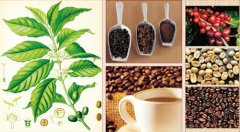
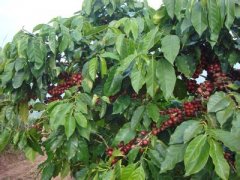
The coffee beans of Honduras are large in shape, uniform in size, uniform in color and shiny. To facilitate harvesting, farmers prune coffee trees to no more than 150 centimeters, which requires ladders to be erected because it is too tall, which not only takes time, but may damage the tree by bending the branches. Since the maturity of each fruit of coffee beans is different, it is necessary to maintain the good quality of coffee beans.

A brief introduction to the planting market price of Xido boutique coffee beans in San Juan, Honduras.
High-quality coffee in Honduras uses water washing to deal with coffee beans, usually after soaking, when the defective fruit will surface, it can be discarded first. Then put the good fruit into the fruit peeling machine and peel off the peel with the rotating force of the machine. Peeled fruits are screened by machines to select fruits of high quality. Usually the bigger.

Description of flavor, taste and aroma characteristics of high-quality coffee beans in San Juan, Honduras
There are six main coffee producing areas in Honduras, including Santa Barbara, Copan, Ocotepeque, Lempira, La Paz and El Paraiso in the southeast. Honduran coffee tastes less acidic, while caramel is more sweet. The taste of coffee from these five different producing areas is also slightly different, some slightly sour.

A brief introduction to the history and culture of the origin and development of San Juan Xido boutique coffee beans in Honduras
High-quality coffee in Honduras uses water washing to deal with coffee beans, usually after soaking, when the defective fruit will surface, it can be discarded first. Then put the good fruit into the fruit peeling machine and peel off the peel with the rotating force of the machine. Peeled fruits are screened by machines to select fruits of high quality. Usually the bigger.
An obvious description of the flavor, taste and aroma characteristics of Xido coffee beans in San Juan, Honduras
There are six main coffee producing areas in Honduras, including Santa Barbara, Copan, Ocotepeque, Lempira, La Paz and El Paraiso in the southeast. Honduran coffee tastes less acidic, while caramel is more sweet. The taste of coffee from these five different producing areas is also slightly different, some slightly sour.

Mixed aroma San Juan, Honduras, Xido boutique coffee beans cultivation situation, geographical location, climate sea
For coffee production, the geographical conditions of Honduras are no less than those of its neighboring coffee-producing countries such as Guatemala and Nicaragua. There are 280000 hectares of coffee plantations in Honduras, mainly small coffee plantations, most of which are less than 3.5ha. These coffee plantations account for 60% of the total coffee production in Honduras. In the coffee garden, because the planting land belongs to
Extremely balanced San Juan, Honduras Xido boutique coffee beans grind degree of baking degree treatment method
High-quality coffee in Honduras uses water washing to deal with coffee beans, usually after soaking, when the defective fruit will surface, it can be discarded first. Then put the good fruit into the fruit peeling machine and peel off the peel with the rotating force of the machine. Peeled fruits are screened by machines to select fruits of high quality. Usually the bigger.

The treatment of grinding degree and roasting degree of San Juan Xido boutique coffee beans in Honduras
In fact, according to Ms. Knudsen, people started drinking fine coffee, but later, due to the growing demand for coffee, the discovery and use of new coffee varieties led to the decline of coffee quality. later, people even began to dislike this bad coffee and began to turn to other drinks. In this case, Ms. Knudsen's re-recognition

The cultivation of sweet San Juan Xido boutique coffee beans in Honduras geographical location and climate sea
In fact, according to Ms. Knudsen, people started drinking fine coffee, but later, due to the growing demand for coffee, the discovery and use of new coffee varieties led to the decline of coffee quality. later, people even began to dislike this bad coffee and began to turn to other drinks. In this case, Ms. Knudsen's re-recognition

Treatment method of grinding degree and baking degree of San Juan Xido boutique coffee beans with mixed aroma
In fact, according to Ms. Knudsen, people started drinking fine coffee, but later, due to the growing demand for coffee, the discovery and use of new coffee varieties led to the decline of coffee quality. later, people even began to dislike this bad coffee and began to turn to other drinks. In this case, Ms. Knudsen's re-recognition

Description of flavor and aroma characteristics of San Juan Xido boutique coffee beans with large particle shape
For coffee production, the geographical conditions of Honduras are no less than those of its neighboring coffee-producing countries such as Guatemala and Nicaragua. There are 280000 hectares of coffee plantations in Honduras, mainly small coffee plantations, most of which are less than 3.5ha. These coffee plantations account for 60% of the total coffee production in Honduras. In the coffee garden, because the planting land belongs to
The large granule shape of San Juan Xido boutique coffee beans in Honduras: history, development, history and culture
For coffee production, the geographical conditions of Honduras are no less than those of its neighboring coffee-producing countries such as Guatemala and Nicaragua. There are 280000 hectares of coffee plantations in Honduras, mainly small coffee plantations, most of which are less than 3.5ha. These coffee plantations account for 60% of the total coffee production in Honduras. In the coffee garden, because the planting land belongs to

A brief introduction to the market price of sweet San Juan Xido boutique coffee beans in Honduras
Honduran coffee seems strange to many coffee drinkers. When it comes to coffee production, the geographical conditions of Honduras are no less than those of neighboring coffee-producing countries such as Guatemala and Nicaragua. However, in the past, Honduras was less well-known in the consumer market because it did not have strong support in the handling and transportation of raw beans. But in recent years, the country has become extremely